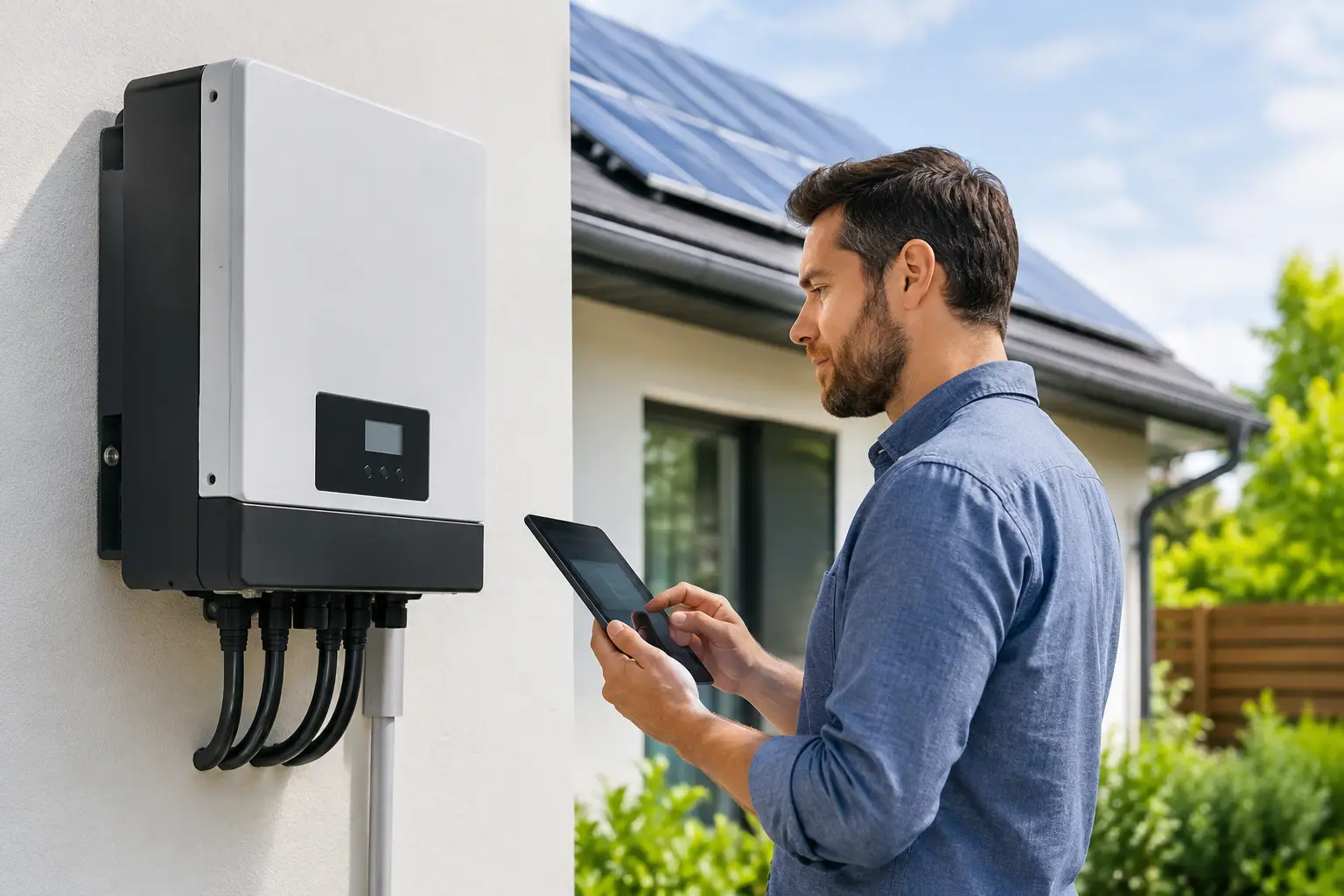
A solar panel system can look excellent on paper and still underperform if the inverter is poorly matched to the roof, utility rules, or the homeowner’s energy goals. That is why solar inverter reviews deserve more than a quick star-rating scan. The inverter is the equipment that turns your panels’ direct-current electricity into the alternating current your home and grid use. It also shapes how your system handles shade, battery storage, monitoring, and future expansion.
For US homeowners, the right choice is rarely about finding a single “best” inverter brand. It is about selecting an inverter design and product line that fits your roof layout, electrical setup, local climate, and installation plan. Reviews can help, but only when you know what they are actually telling you.
How to Read Solar Inverter Reviews
Start by separating product feedback from installer feedback. A homeowner may report that an inverter failed, but the underlying issue could be wiring, commissioning, internet connectivity, panel layout, utility interconnection, or a delayed warranty claim. On the other hand, repeated reports of the same hardware fault across different installers and regions deserve serious attention.
Look for reviews that include specifics. Helpful details include the system size, inverter model, roof orientation, whether the home has a battery, how long the system has been operating, and what happened when service was needed. “Works great” is encouraging, but it does not reveal much. A review explaining that production remained visible during a communications outage, or that a replacement was installed within two weeks under warranty, is much more useful.
Date matters as well. Inverters and their software change frequently. A complaint from six years ago may relate to a discontinued model, while a glowing review from the first month of ownership says little about durability. Give more weight to feedback from owners who have lived with a system through at least one full summer and winter, especially if their review discusses service after installation.
Also consider the reviewer’s expectations. A homeowner who expects backup power during a grid outage may be disappointed by a standard grid-tied system, even if the inverter operates exactly as designed. Most solar systems automatically shut down during an outage unless they include compatible battery equipment or a dedicated backup configuration. That is a system-design question, not necessarily an inverter defect.
The Inverter Type Changes the Review
Before comparing manufacturers, understand the three main inverter approaches. Each has benefits and limitations that can appear in homeowner reviews.
String inverters
A string inverter is typically installed on a wall near the electrical panel, garage, or exterior service equipment. Multiple panels are connected in strings, and their combined output flows to one central inverter. This approach is often cost-effective and can be a strong fit for a simple, unshaded roof with similarly oriented panel sections.
The trade-off is that production within a string can be affected by the lowest-performing panel. Shade from a chimney, trees, snow, or seasonal debris can have a larger effect when panels share the same string. Reviews of string inverter systems should therefore be read alongside the roof design. A homeowner with a clean south-facing roof may have a very different experience than one with panels spread across east, west, and shaded roof planes.
Microinverters
Microinverters are installed beneath individual solar panels. Each panel converts power independently, which can help on complex roofs and in partial shade. They also provide panel-level monitoring, a feature many homeowners value because it makes it easier to spot a weak or offline panel.
Microinverter reviews often focus on visibility and reliability. The main trade-off is cost: the equipment and labor can be more expensive than a basic string-inverter design. Service can also require rooftop work if a unit needs replacement. A long product warranty is valuable, but ask who pays for labor, roof access, and shipping if service is needed years later.
Power optimizers with a central inverter
Power optimizer systems place electronics at each panel while using a central inverter for DC-to-AC conversion. They can offer panel-level insight and shade management while keeping the main inverter accessible at ground level. This can be a practical middle ground for some homes.
The design includes more components than a simple string inverter, so review patterns should be interpreted carefully. Reports about monitoring or optimizer communication are not automatically reports of central-inverter failure. Ask the installer how diagnostics work and which component would be replaced under different fault scenarios.
Performance Numbers That Matter More Than Marketing
A high efficiency rating is worth considering, but it should not be the only deciding factor. The difference between leading residential inverter efficiency ratings can be small, and real-world production depends heavily on roof direction, shading, panel capacity, temperature, and system design.
Pay closer attention to whether the proposed inverter capacity makes sense for the solar array. Installers may recommend a DC-to-AC ratio above 1.0, meaning the panel wattage exceeds the inverter’s AC output rating. This is common and can improve annual energy production because panels rarely operate at their nameplate rating for long. It can also produce some clipping during peak sun, when the inverter caps output at its maximum AC capacity.
Clipping is not automatically a problem. A properly designed system may accept limited clipping to improve production during lower-light hours without paying for more inverter capacity than the home needs. The right question is: how much clipping does the proposal predict, and why was that ratio selected?
Monitoring is another meaningful performance feature. Confirm what the app displays: system-level production, panel-level production, household consumption, battery status, or all of the above. Production monitoring tells you what the solar system generates. Consumption monitoring requires additional metering hardware and helps show when your household uses, imports, or exports electricity. If energy management is a priority, do not assume every inverter package includes it.
Warranty Coverage Is More Than the Warranty Length
A 10-, 12-, 20-, or 25-year warranty can sound straightforward, but coverage details matter. Read the manufacturer warranty and the installer workmanship warranty as separate documents. The manufacturer generally covers defects in the equipment. The installer’s warranty addresses workmanship, labor, and sometimes service coordination.
Ask these questions before signing a contract: Who diagnoses a problem? Who files the claim? Is labor to remove and replace equipment covered? Are shipping costs covered? Does the warranty transfer if you sell the home? What happens if the original installer is no longer in business?
The best solar inverter reviews often reveal how a company handles problems rather than whether problems ever occur. Electronics can fail. A dependable service process, clear communication, and an installer with the ability to support the equipment can be more valuable than a marginal difference in advertised efficiency.
Match the Inverter to Your Future Plans
Your home may need more than solar production. If you expect to add a battery, electric vehicle charger, heat pump, or additional panels later, raise those plans during the design stage. Not every inverter supports every battery, and some systems are easier to expand than others.
Battery readiness deserves particular attention. A system may be able to add a battery eventually, but that does not mean it can provide whole-home backup. Backup capability depends on battery size, inverter capacity, electrical loads, and whether the installer includes a critical-loads panel or whole-home backup equipment. Refrigerators, lights, internet equipment, and a few outlets require far less capacity than central air conditioning, electric resistance heat, or multiple large appliances.
Homeowners in areas with frequent outages may reasonably prioritize backup design over a small equipment-price difference. Homeowners with stable grid service and strong net-metering terms may find that a standard grid-tied system better fits their budget. The correct decision depends on how you use electricity, not just on product ratings.
Questions to Bring to an Installer
Reviews should help you ask better questions, not replace a site-specific design. Before selecting equipment, request a clear explanation of the proposed inverter setup, including why it was chosen for your roof. A qualified installer should be able to explain shading assumptions, expected annual production, monitoring features, warranty responsibilities, and any limitations during an outage.
Ask whether the proposed equipment meets current utility requirements and whether it supports required grid functions in your area. Utility interconnection rules can affect export settings, rapid shutdown equipment, and approval timelines. The lowest equipment bid can become expensive if the design requires changes late in the permitting or interconnection process.
Finally, compare proposals at the system level. An inverter is one important component, but panel layout, roof condition, electrical upgrades, workmanship, service terms, and projected savings all affect the value of the project.
A useful review leaves you with a practical next step: ask an installer to show exactly how the inverter choice supports your roof, your utility arrangement, and the way you want your home to operate five or ten years from now.