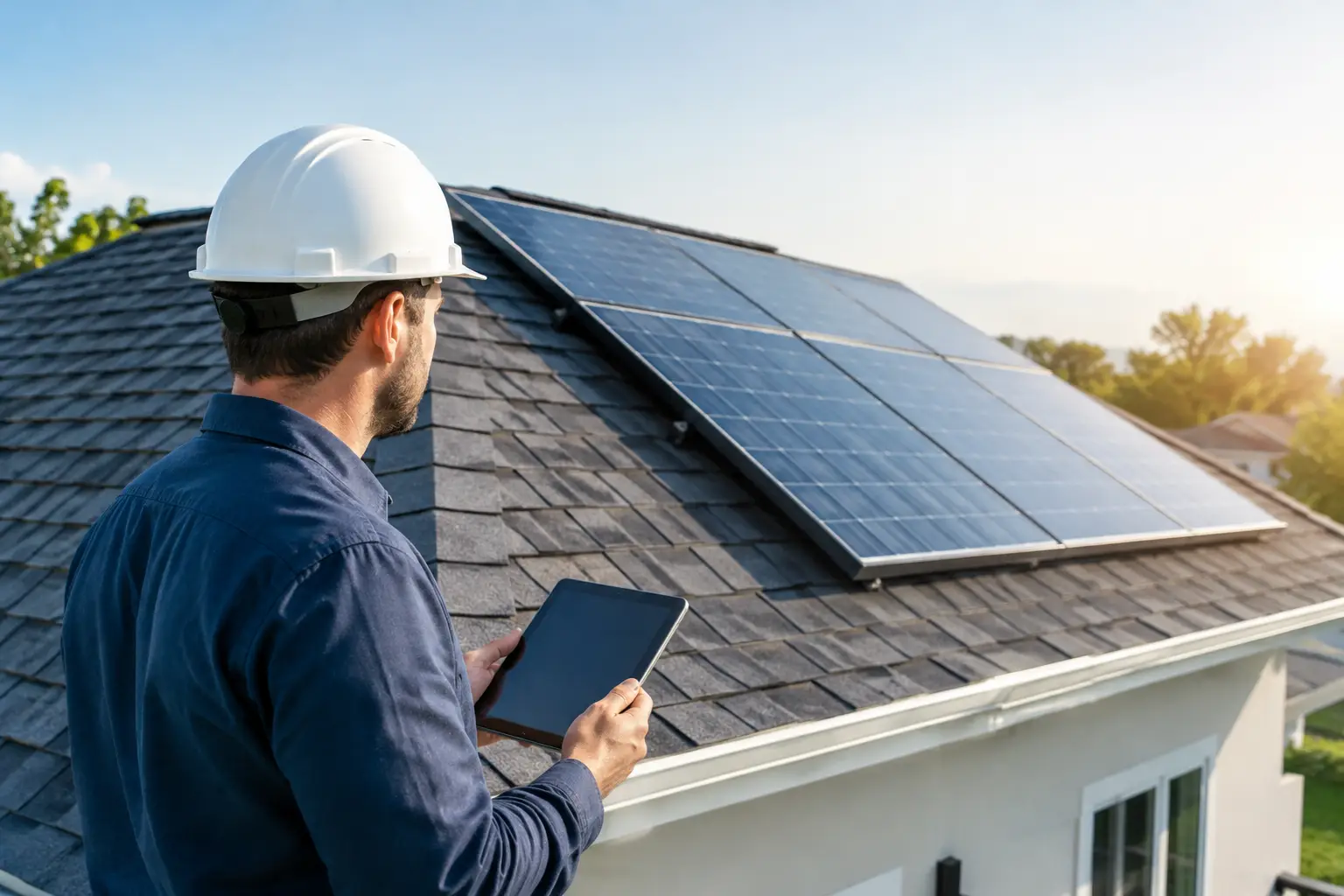
A solar installation can remain on your roof for 25 years or longer. That makes the roof beneath it part of the investment, not an afterthought. Does solar require roof replacement? Usually, no. But installing panels on a roof that is already nearing the end of its useful life can create an expensive problem later.
The practical question is not whether every home needs a new roof before solar. It is whether your existing roof can reliably support the system for the years ahead. A qualified solar installer and a roofing professional can help answer that before equipment is ordered, permits are filed, or financing is finalized.
Does Solar Require Roof Replacement Before Installation?
Solar panels do not automatically require roof replacement. Many homeowners install solar on roofs that are in good condition and have years of expected service remaining. During installation, mounting hardware is secured to roof framing, then flashed and sealed to protect against water intrusion. Done correctly, this work should not damage a sound roof or create leaks.
The concern is timing. If a roof will likely need replacement within the next several years, it is often more cost-effective to reroof first. Removing and reinstalling a solar array later adds labor, scheduling, and potential electrical costs. The exact price varies by system size, roof layout, local labor rates, and whether new components are needed, but it can be a meaningful unplanned expense.
A roof with 15 to 20 years of expected remaining life may be a reasonable solar candidate, depending on the roofing material and its condition. A roof that is already showing age-related damage deserves a closer look before panels go up.
Start With Roof Condition, Not Just Roof Age
Age is a useful starting point, but it is not a verdict. A 12-year-old asphalt-shingle roof exposed to heavy heat, wind, hail, or poor attic ventilation may have less life left than expected. A 20-year-old roof that was well installed, maintained, and protected from severe weather may still be in serviceable condition.
Your solar evaluation should include a roof assessment that looks at the shingles or other roofing surface, flashing, penetrations, decking, structural framing, and signs of water damage. The installer also needs to confirm that the roof can handle the added load of the solar equipment and comply with local building requirements.
A replacement or major repair should be considered before solar if you see several of these issues:
- Curled, cracked, missing, or heavily granulated asphalt shingles
- Active or recurring roof leaks, interior water stains, or soft roof decking
- Sagging roof lines, damaged rafters, or evidence of structural concerns
- A roof already near the typical end of its expected service life
One missing shingle does not necessarily call for a new roof. Likewise, a roof that looks acceptable from the ground can still have underlying issues. An inspection is the right way to separate routine maintenance from a problem that could complicate a solar project.
Roofing Material Makes a Difference
Asphalt shingles are the most common residential roofing material in the United States and are generally compatible with solar. The key is their remaining condition and life expectancy. If replacement is close, it usually makes sense to complete it first.
Metal roofs can be excellent candidates for solar. Standing-seam metal roofs may allow certain mounting methods that reduce roof penetrations, while corrugated metal typically uses a different attachment approach. Metal can last decades, so a relatively new or well-maintained metal roof often aligns well with the long service life of panels.
Tile, slate, wood shake, and flat or low-slope roofs require more specialized planning. Tile and slate can be fragile, so installers need experience with the material and appropriate mounting techniques. Flat roofs may use ballasted or mechanically attached systems, and drainage must be carefully considered. These roofs do not automatically need replacement, but material-specific expertise matters.
If your roof is made of an uncommon or aging material, ask the solar company how it will protect the roof during installation and whether a roofer should be involved before work begins.
Why Replacing the Roof First Can Save Money
Solar panels are designed to be durable, but they are not permanently fixed in place when roofing work is needed. A reroofing project generally requires the array to be detached, stored or handled on-site, and reinstalled after the new roof is complete. This process is often called a detach and reset.
A detach and reset is more involved than taking panels off and putting them back. The crew may need to disconnect electrical equipment, remove racking, inspect components, coordinate with the roofer, reinstall the system, and verify proper operation. Older systems can create additional complications if equipment is discontinued or electrical code requirements have changed since the original installation.
Replacing an aging roof first also gives you a clean starting point. Your roofing and solar teams can coordinate placement around vents, chimneys, skylights, and future maintenance access. In some cases, a homeowner may choose to remove an unused skylight or relocate a vent before solar design is finalized. Those decisions are far simpler before panels are installed.
How Much Roof Life Is Enough for Solar?
There is no single number that applies to every home. A practical rule is to compare the roof's remaining expected life with the solar system's anticipated lifespan. Since panels commonly produce electricity for 25 years or more, a roof expected to need replacement in five years is usually a poor candidate for immediate solar installation without reroofing.
If the roof has 10 to 15 years of useful life left, the decision depends on its condition, your budget, local reroofing costs, and your willingness to pay for a future detach and reset. Some homeowners move forward because they expect to sell before reroofing becomes necessary. Others prefer the certainty of replacing the roof now and avoiding disruption later.
Do not rely solely on a solar sales estimate for this decision. A solar professional can assess system design and mounting needs, but an independent roofing inspection can provide a more focused view of the roof's remaining life. When the two assessments point in the same direction, you can move ahead with more confidence.
Coordinate the Roof and Solar Scopes of Work
If you decide to replace the roof first, sequence matters. Complete the roofing work before solar mounting begins, then provide the solar team with final information about any changes to vents, chimneys, decking, or roof layout. This helps prevent redesigns after contracts and permits are underway.
Ask each contractor clear questions about responsibility. The roofer should explain the roof warranty, including how solar penetrations may affect coverage. The solar installer should explain its workmanship warranty, flashing method, and process for addressing a leak associated with its installation. A written scope of work is better than assumptions between two separate companies.
It is also reasonable to ask whether the installer has experience with your roof type, whether panels will cover areas likely to need maintenance, and how future access will be handled. Professional planning should account for both energy production and the practical reality of owning the roof underneath the system.
A Sound Roof Supports a Better Solar Decision
Solar is a long-term home improvement, and the roof is the foundation for that decision. Replacing a roof that still has substantial life left can be unnecessary. Installing panels over a roof that is already failing can be false savings.
Before moving forward, get a clear assessment of the roof's condition, remaining life, and any needed repairs. Then design the solar system around that information. A well-timed project protects your roof, avoids avoidable removal costs, and lets your solar investment start producing with fewer surprises.