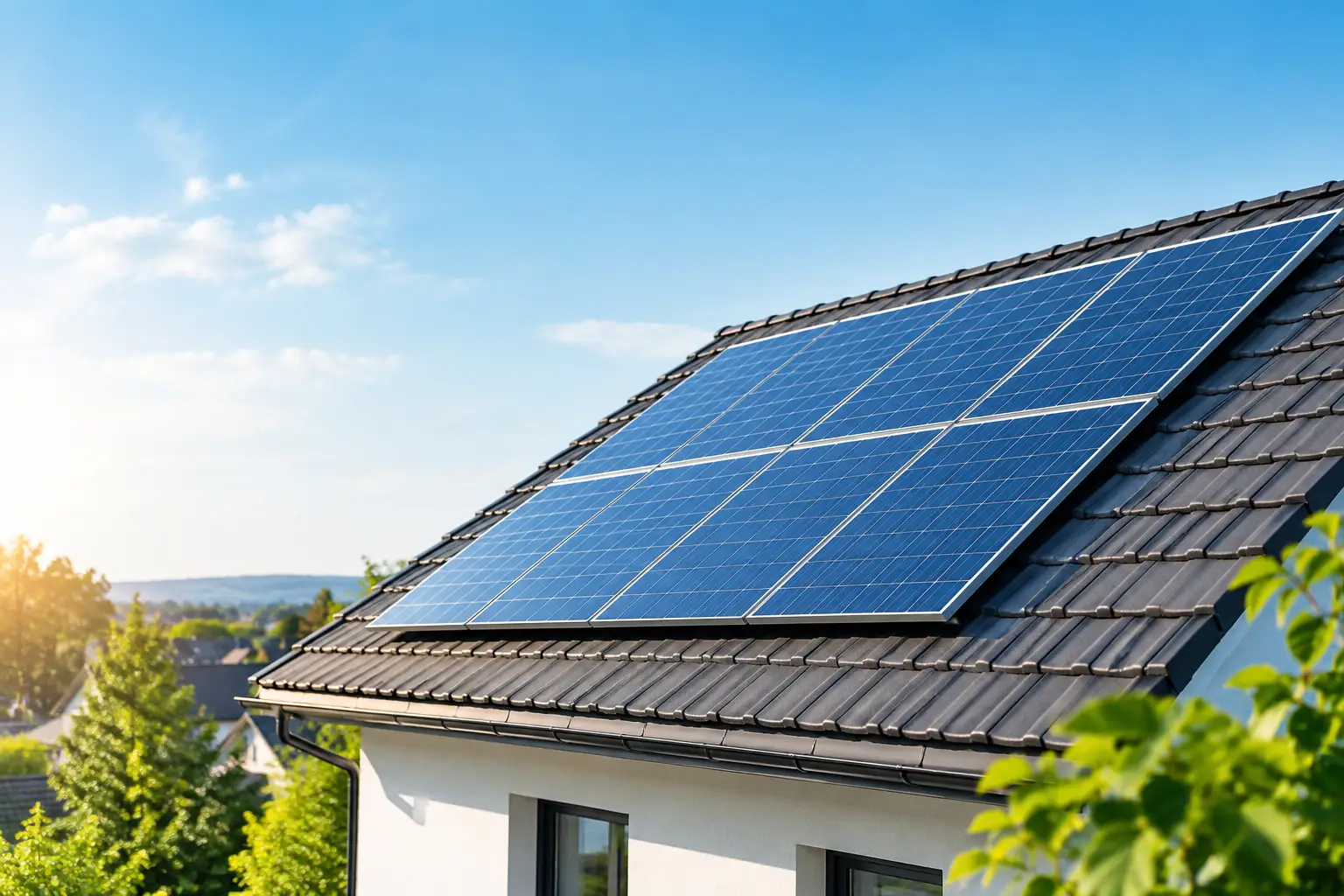
A solar quote can look excellent on paper and still be the wrong project to start this year if the roof beneath the panels is near the end of its life. The best roof materials for solar are not simply the ones that can hold panels. They are the materials that allow a secure installation, protect the home from water intrusion, and avoid an expensive panel removal when reroofing becomes necessary.
For most US homeowners, asphalt shingles offer the most practical path. But metal, tile, and low-slope roofing can also support successful solar systems when the installer uses the right mounting method and accounts for the roof's condition, structure, and future maintenance.
Best roof materials for solar, ranked by practicality
Asphalt shingles: the best all-around choice
Asphalt shingle roofs are the most common residential solar surface in the United States, and they are generally straightforward for experienced installers. Mounting hardware is attached through the shingles and into roof rafters or structural decking, then flashed to direct water away from the penetration. This is a proven installation method when completed correctly.
Asphalt is usually the most cost-effective option because installers work with it often, replacement materials are widely available, and repairs are familiar to most roofing contractors. Architectural shingles tend to provide a more durable surface than older three-tab shingles, although solar compatibility depends more on roof condition and proper mounting than on shingle style.
The main concern is age. If an asphalt roof has roughly five to 10 years of useful life remaining, replacing it before solar may be the smarter financial decision. Removing and reinstalling a solar array for a future roof replacement can add thousands of dollars to the total project cost.
Standing seam metal: excellent, with a mounting advantage
Standing seam metal is one of the strongest roof materials for solar. Its raised seams can often accept clamps that hold racking without drilling through the roof surface. Fewer penetrations can simplify waterproofing and may reduce installation time.
Metal roofing also has a long service life, often 40 years or more depending on the product, climate, and maintenance. That timeline aligns well with the expected operating life of a solar system. A homeowner who installs solar on a newer standing seam roof is less likely to face a reroofing conflict during the panels' productive years.
Not every metal roof offers this benefit. Corrugated, exposed-fastener, and metal shingle roofs usually require different mounting approaches, including penetrations and specialized flashing. Metal also expands and contracts as temperatures change, so the racking system must be designed for that movement. The roof can be an excellent solar platform, but it is not a one-size-fits-all category.
Concrete and clay tile: durable but more labor-intensive
Concrete and clay tile roofs can last for decades, making them a reasonable match for solar from a lifespan perspective. They are particularly common in Southwestern, Southern California, and Florida markets where solar demand is also strong.
The installation process is more involved than it is on shingles. Tiles may need to be temporarily removed, cut, or replaced with purpose-made flashing components around mounting points. Clay tile can be brittle, and older tiles may be difficult to match if breakage occurs. Labor and materials therefore tend to cost more.
A qualified installer should inspect the tile, underlayment, and roof structure before finalizing the design. Tile may look sound from the ground while the waterproof underlayment underneath is approaching the end of its useful life. Since solar panels sit above the tiles, addressing aging underlayment first can prevent a disruptive removal project later.
Composite shingles and synthetic roofing: often solar-friendly
Modern composite shingles, synthetic slate, and synthetic shake products can be good candidates for solar, especially when they are newer and installed according to manufacturer specifications. Many are lighter than natural slate or wood, resistant to impact, and designed for long service life.
The key question is not whether the material is synthetic. It is whether the manufacturer permits the proposed attachment method and whether the installer can locate structural framing correctly. Your solar contractor should coordinate with the roofing manufacturer or a qualified roofer if warranty coverage is a concern.
Low-slope membrane roofs: good for the right design
Low-slope and flat roofs are common on modern homes, additions, and multifamily properties. TPO, PVC, modified bitumen, and EPDM membranes can all support solar, but the system design differs substantially from a sloped-roof installation.
Panels are typically installed on tilted racks. Depending on structural capacity, wind exposure, and local code, those racks may be mechanically attached or ballasted with weight. Ballasted systems reduce roof penetrations, but they add considerable load and require careful engineering. Drainage is another priority. Racking must not block drains, create ponding areas, or make membrane maintenance impractical.
A low-slope roof can offer flexible panel orientation, but it may require more spacing between rows to prevent one row from shading the next. That can limit the number of panels that fit on the roof.
Roof materials that require extra caution
Wood shake and wood shingle roofs are not automatically incompatible with solar, but they call for a higher level of scrutiny. Fire ratings, local code, insurance requirements, moisture exposure, and the age of the roofing all matter. The uneven surface can complicate flashing and attachment, while older wood roofing may be too fragile to support installation work without repairs.
Natural slate is another specialized case. Slate is durable and visually distinctive, but it is heavy, brittle, and expensive to repair. Solar installation often requires specialized crews and mounting methods that protect the slate from cracking. The added cost may be worthwhile for a long-term solar project, but homeowners should expect a more complex assessment than they would receive for asphalt shingles.
The roof condition matters more than the material alone
A new, well-installed asphalt roof can be a better solar candidate than a worn metal or tile roof. Before moving forward, evaluate the roof as a complete system: covering material, underlayment, flashing, decking, framing, ventilation, and drainage.
Start with the roof's age and expected remaining service life. A roof that is more than 15 years old does not always need replacement, but it deserves a professional inspection. Look for curling shingles, cracked tiles, corrosion, soft decking, recurring leaks, missing granules, or deteriorated flashing around vents and chimneys.
Structural capacity also matters. Solar panels and racking add weight, commonly around 2 to 4 pounds per square foot, though the exact load depends on the equipment and layout. Most modern homes can support a standard array, but an installer should verify framing conditions rather than assume. Snow loads, wind loads, and local building requirements can change the engineering calculation.
Plan the roof and solar project together
If reroofing is likely within the next several years, combine it with your solar project whenever possible. Installing a durable new roof first gives the solar installer a clean surface, allows better coordination around vents and penetrations, and can reduce the chance that panels must be removed prematurely.
This is also the time to consider layout. A roof with several small planes, dormers, skylights, or vent stacks may still work for solar, but panel placement will be less efficient than on a broad, unobstructed plane. Shade from trees, chimneys, and neighboring structures can matter as much as the roofing material itself.
Ask both the roofer and solar installer clear questions: Who is responsible if a leak develops near a mounting point? What workmanship warranty applies? Does the proposed installation affect the roof manufacturer's warranty? If future roof service is needed, how will the panels be handled? Clear answers are more valuable than vague assurances that the roof is “solar ready.”
Choose the material that supports the full investment
For many homeowners, a newer asphalt shingle roof is the practical winner because installation is familiar and costs stay manageable. Standing seam metal can be even better when its long lifespan and clamp-based mounting options fit the budget. Tile, slate, wood, and low-slope membranes can support solar too, but they demand more specialized planning and often a higher installation budget.
The right next step is a roof assessment before you compare solar equipment or financing options. A solar system is designed to produce for decades. Make sure the roof under it is ready to do the same.