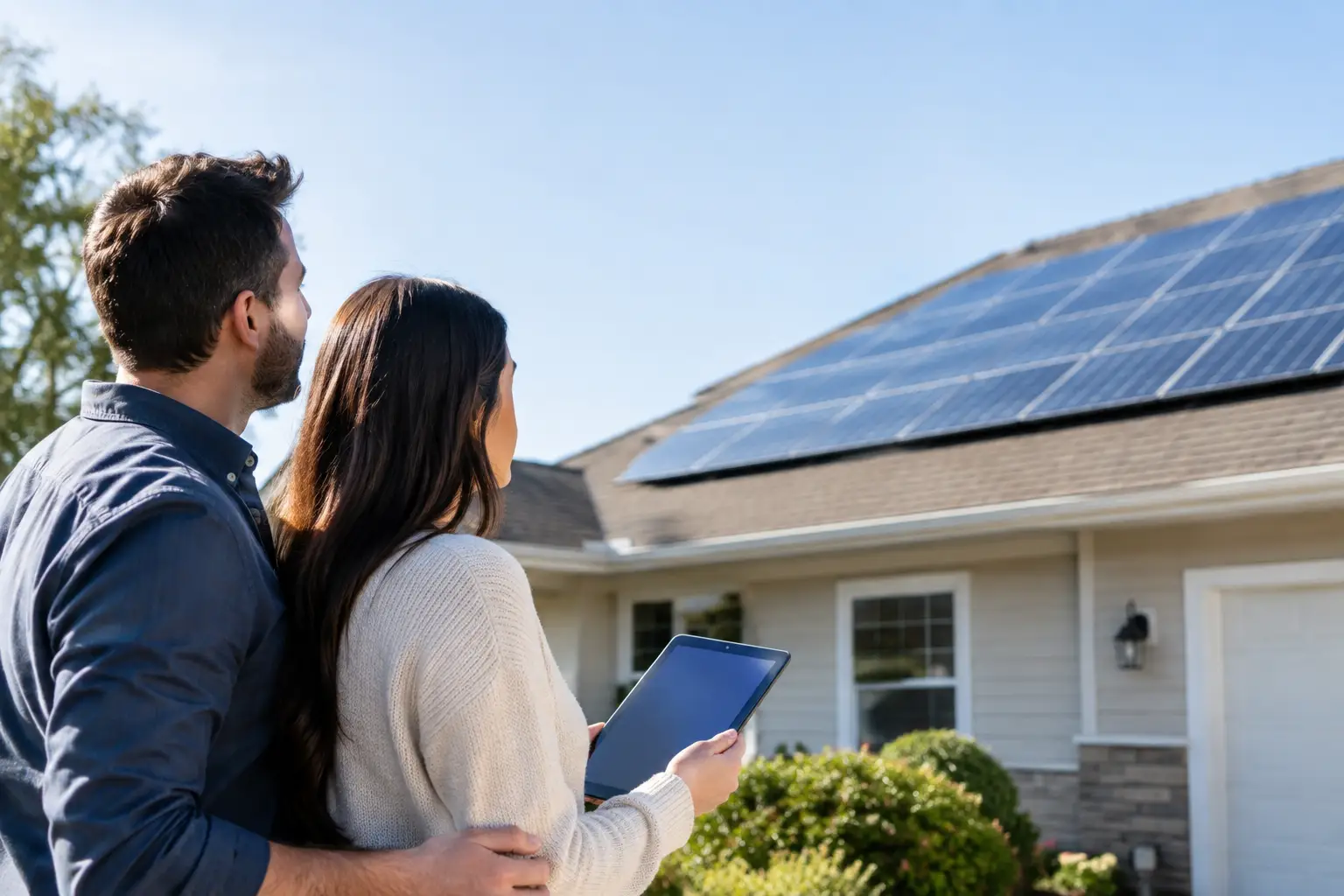
A solar installation can move quickly once you sign an agreement. The best way to prepare for a home solar installation is to handle the decisions and home checks that can create delays before the crew, equipment, and permits are in motion. A little preparation also gives you a clearer basis for comparing proposals and asking the right questions.
For most homeowners, the process is not just about panels on the roof. It involves your roof condition, electrical system, utility account, local rules, financing terms, and expectations for production. Treat it as a practical home-improvement project with an energy component, not a purchase you should rush through.
Start With Your Electric Use
Your recent electricity bills are the starting point for a sensible system design. Gather 12 months of bills if possible, since seasonal heating, air conditioning, pool equipment, and holiday use can change your consumption significantly. Your annual kilowatt-hour usage matters more than one unusually high or low monthly bill.
Also consider changes you expect to make within the next few years. An electric vehicle, heat pump, electric water heater, home addition, or growing household can increase demand. Conversely, planned efficiency upgrades may reduce it. Tell prospective installers about these plans early. A system sized only for your current usage may not match the home you expect to have.
Solar does not automatically eliminate every electric bill. Many utilities still charge fixed customer fees, and the value of excess production depends on the utility's current compensation rules. Ask each installer to explain the estimated production, the assumed utility rate, and the expected bill after solar in plain terms.
Confirm Your Roof Is Ready
Panels commonly remain on a roof for 25 years or more. If your roof is near the end of its useful life, replacement before installation is usually the better financial decision. Removing and reinstalling a solar array later adds labor, coordination, and potential disruption.
Look for obvious concerns such as aging shingles, leaks, damaged flashing, sagging areas, or a recent insurance claim involving the roof. If there is any uncertainty, arrange a roof inspection before finalizing the solar project. An experienced solar company can assess mounting conditions, but a roofing professional should evaluate roof life and repair needs.
Shade deserves the same attention. Trees, chimneys, dormers, neighboring structures, and roof vents can affect output. Some shade can be managed through system design and equipment choices, but heavy shade may limit the value of a larger system. Do not assume a south-facing roof automatically guarantees top production. A site assessment should account for the actual sun exposure throughout the year.
Plan for Tree Work and Roof Access
If pruning or removal is needed, complete it before the installation date whenever possible. Make sure the crew can access the driveway, roofline, attic, electrical panel, and planned equipment locations. Move vehicles, patio furniture, and fragile items away from work areas, and secure pets indoors.
Review Your Electrical Panel and Equipment Location
Your solar system must connect safely to your home's electrical infrastructure. Older homes may need a panel upgrade, a main breaker adjustment, or other electrical work before interconnection. This is not always required, but it should be evaluated during the site survey rather than discovered on installation day.
Ask where the inverter, disconnect, production meter, and any battery equipment will be installed. These components need adequate clearance, ventilation where applicable, and a location that meets code. A garage wall is often convenient, but every home is different. If appearance matters, discuss placement before permits are submitted.
If you are considering a battery, be specific about what you want it to do. A battery can provide backup power during outages, but not every battery setup powers every circuit in the house. Backing up essential loads, such as refrigeration, internet, lighting, and selected outlets, costs less than backing up a large air conditioner, electric range, or the entire home. Your backup goals should guide the system design.
Understand Permits, HOA Rules, and Utility Approval
A reputable installer typically manages building permits and utility interconnection paperwork, but homeowners still need to provide accurate information and respond promptly to requests. Confirm who is responsible for each part of the process, including permit fees, inspections, interconnection applications, and final permission to operate.
If you live in a homeowners association, review its architectural guidelines before installation. State laws may limit an HOA's ability to prohibit solar in many areas, but associations can still have reasonable rules about equipment placement, visibility, and paperwork. Obtain written approval when required rather than relying on a verbal conversation.
Utility approval is especially important because a completed system generally cannot be turned on until the utility grants permission to operate. The timeline varies by location and utility workload. Your installer can estimate the sequence, but no one should promise a precise activation date before the utility completes its review.
Compare Proposals Beyond the Panel Brand
A solar proposal should make it easy to understand what you are buying. Look beyond the number of panels and the headline price. Compare system size in kilowatts, estimated annual production in kilowatt-hours, panel and inverter models, workmanship coverage, roof penetrations, monitoring access, and assumptions used in the savings estimate.
Make sure each quote addresses the same project scope. A lower price may exclude electrical upgrades, critter guards, roof work, battery integration, or permit fees. It may also be based on a smaller system or more optimistic production assumptions. The best proposal is not necessarily the cheapest one. It is the one that clearly matches your energy goals, home conditions, and budget.
Read the Financing Terms Carefully
Cash purchases, loans, leases, and power purchase agreements create different obligations and benefits. With a loan, review the interest rate, dealer fees, monthly payment, prepayment terms, and whether the payment changes over time. With a lease or power purchase agreement, understand annual escalators, transfer requirements if you sell the home, and who receives available incentives.
Tax incentives can materially affect project economics, but eligibility depends on your tax situation and current law. A solar company can explain the general framework, yet it should not replace advice from a qualified tax professional. Avoid treating an estimated credit as cash you will automatically receive on a specific date.
Prepare Your Household for Installation Day
Most residential installations take one to three days, depending on system size, roof complexity, electrical work, and weather. There will be drilling, foot traffic on the roof, equipment deliveries, and brief power interruptions while electrical connections are made.
Before the crew arrives, clear the garage or wall area where equipment will go, unlock gates, and identify any special access instructions. If anyone works from home, plan around potential power and internet interruptions. Keep children and pets away from the work zone, and let your neighbors know if trucks may temporarily affect shared access or street parking.
A final walkthrough before work begins is useful. Confirm the panel layout, visible conduit route, equipment placement, and any agreed-upon changes in writing. Small layout questions are far easier to resolve before mounting hardware is installed.
Keep Records After the System Is Installed
Save your signed contract, permit documents, equipment specifications, warranties, inspection approvals, financing records, and monitoring instructions in one place. You may need them for insurance, a future roof project, warranty service, tax documentation, or a home sale.
Once the system is active, use the monitoring app to confirm production is generally in line with expectations. Production naturally changes with weather and seasons, so a single cloudy week is not a performance test. Look for sustained unexplained drops, error notices, or missing data, then contact the installer for support.
Preparing well does not mean you need to become a solar engineer. It means entering the project with a sound roof, clear energy goals, complete paperwork, and a firm understanding of what happens before and after the panels are installed. That preparation turns a major home-energy decision into a project you can manage with confidence.